• 183.445 movies
  • 12.659 shows
  • 35.019 seasons
  • 658.485 actors
  • 9.493.176 votes
Avatar
Profile
 
banner banner

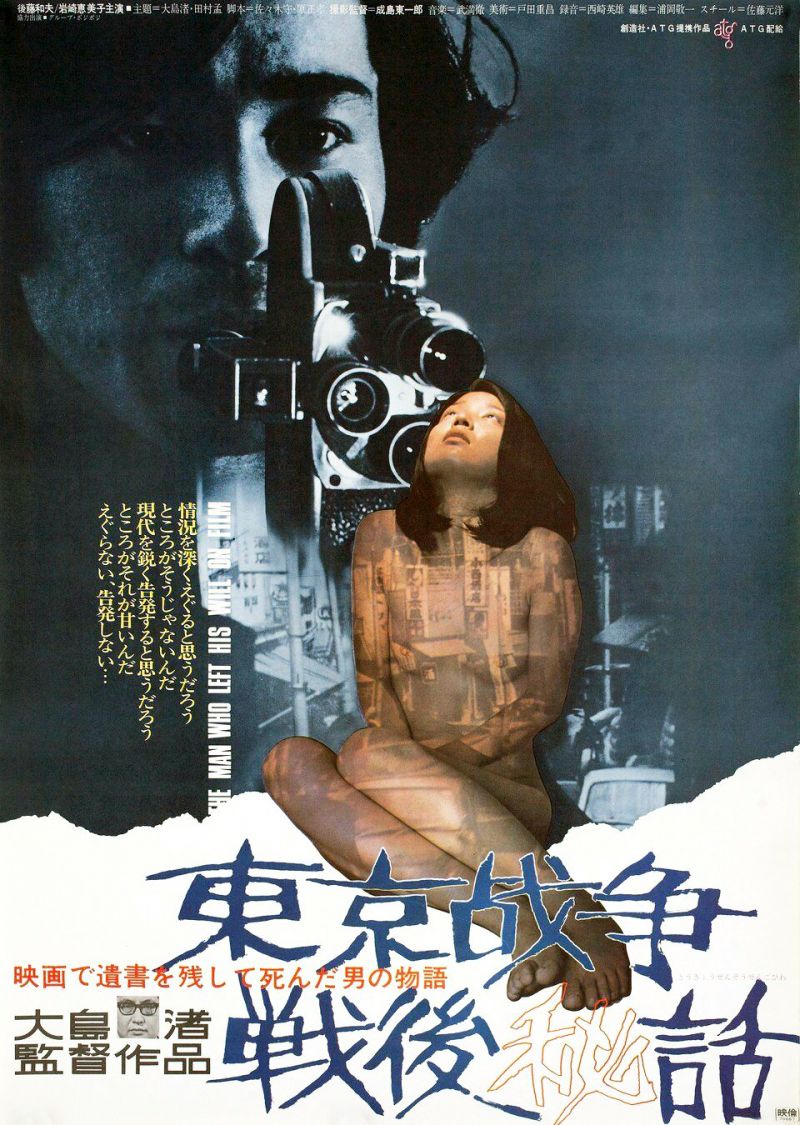
Tôkyô Sensô Sengo Hiwa (1970)

Drama | 94 minutes
3,38 17 votes

Genre: Drama

Duration: 94 minuten

Alternative titles: The Man Who Left His Will on Film / A Secret Post-Tokyo War Story / He Died After the War / 東京戦争戦後秘話 映画で遺書を残して死んだ男の物語

Country: Japan

Directed by: Nagisa Ôshima

Stars: Kazuo Goto, Emiko Iwasaki and Sukio Fukuoka

IMDb score: 6,9 (995)

Releasedate: 27 June 1970

US
UK

This movie is not available on US streaming services.

JustWatch

Tôkyô Sensô Sengo Hiwa plot

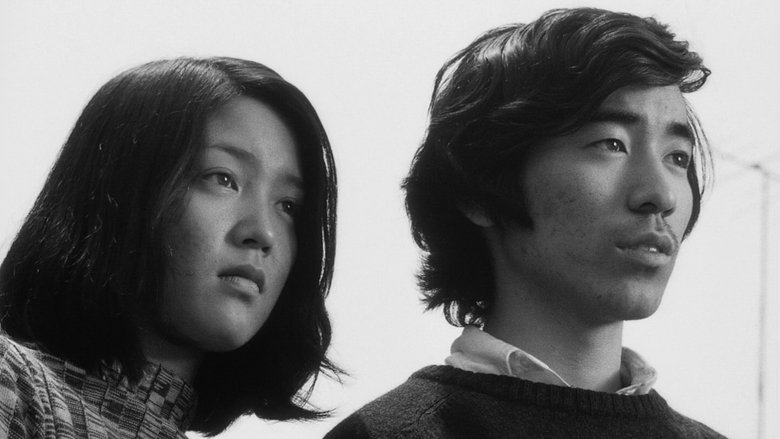
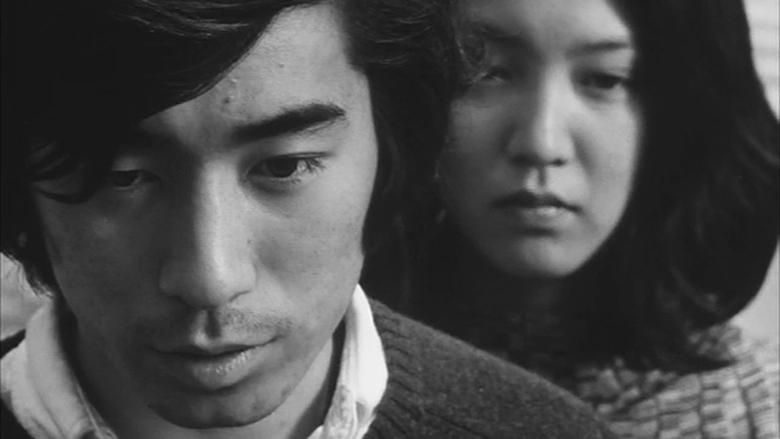
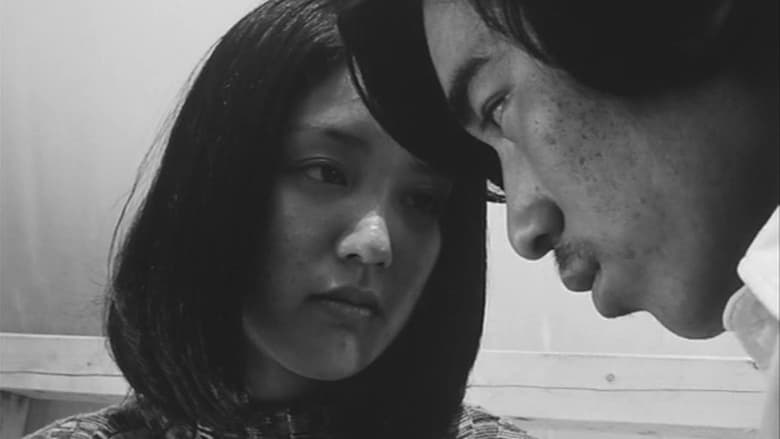
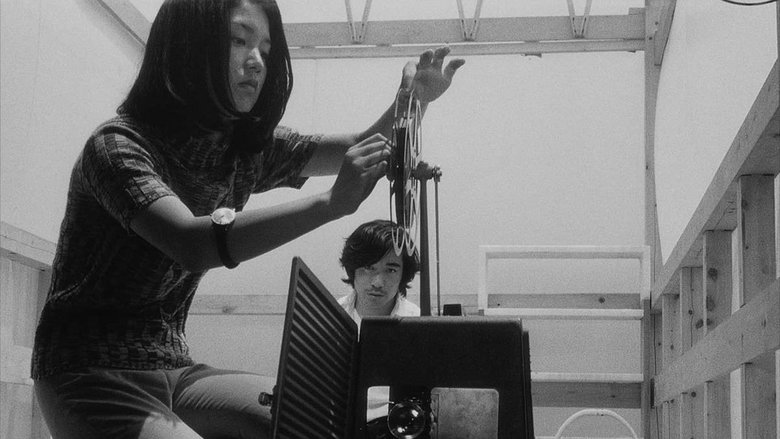
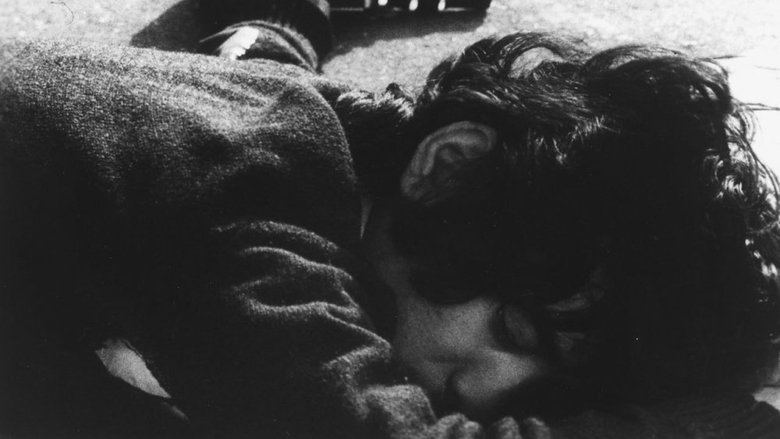
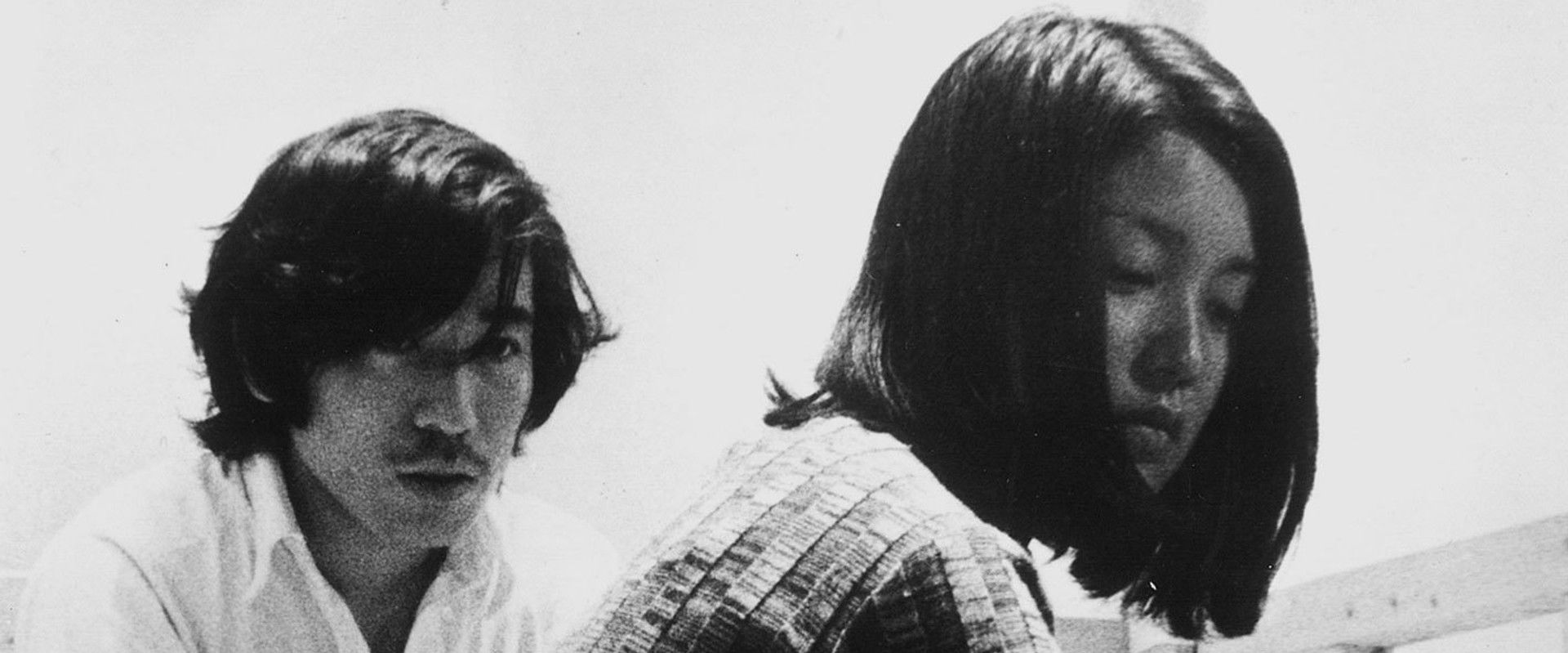
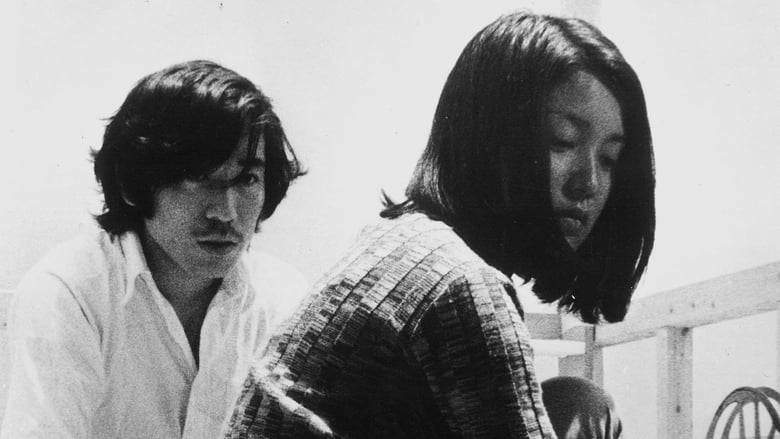
Young filmmaker Motoki's camera is stolen by a fellow student during leftist student demonstrations. He follows the perpetrator and witnesses his suicide. The police quickly arrive and confiscate the camera. At least, that's the story he tells when he wakes up at home. His left-wing activist friends have a different view of what happened. When the police release the camera, he considers the film in the camera to be the will of the dead videographer. Together with his ex, they look for the meaning of the film, which consists exclusively of ordinary street scenes.

logo tmdbimagelogo tmdbimagelogo tmdbimagelogo tmdbimagelogo tmdbimagelogo tmdbimagelogo tmdbimage

Reviews & comments


avatar

Guest

  • messages
  • votes

Let op: In verband met copyright is het op MovieMeter.nl niet toegestaan om de inhoud van externe websites over te nemen, ook niet met bronvermelding. Je mag natuurlijk wel een link naar een externe pagina plaatsen, samen met je eigen beschrijving of eventueel de eerste alinea van de tekst. Je krijgt deze waarschuwing omdat het er op lijkt dat je een lange tekst hebt geplakt in je bericht.

* denotes required fields.

Pay attention! You cannot change your username afterwards.

* denotes required fields.
avatar van hamidgoodarzi

hamidgoodarzi

  • 35 messages
  • 133 votes

A complex and layered film by the director of the new wave of Japanese cinema "Nagisa Oshima" at the end of the 60s and the beginning of the 70s, which analyzes cinema and its reflection with an unconventional narrative and with a political background. The black and white of the film has been able to be effective in creating an atmosphere suitable for the content. This movie should be watched carefully and analyzed from different angles. The most obvious theme of the film is definitely the analysis of cinema, and the director wants to dig deep and the nature of cinema and from there examine the cinema and make us think. The film is structurally and thematically different from its predecessors in Japan. It seems that the new wave cinema of the 60s in France and Japanese new wave cinema have subtle similarities and similar effects.