


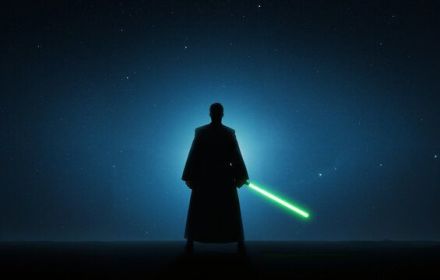
The story behind Star Wars started when the legendary George Lucas thought of a simple yet genius idea. This very idea expanded into something much, much bigger over time, and in the early 1970s, he wanted to create a film that felt different from others being made at the time, something truly unique. So he drew from old series and classic films to create a story that combined space travel with familiar human themes, but at first, the idea was not easy to support, and many studios were unsure about its appeal.
BoyleSports, an Irish casino, has been looking behind the scenes to share insights of the making of Star Wars.


The Early Story
The early stages of making the film were marked by limits in both money and technology, with film studios being careful about spending, and the project did not seem like a safe choice. Even so, the team moved forward, working with what they had, and the script changed many times, as did the story, which was refined as filming approached. The process was not smooth at first, but it showed how much effort was needed to bring a revolutionary idea to life.
Filming took place mainly in Tunisia and at studios in England, but the scenes in Tunisia were quite troublesome because of the heat and equipment issues. Actors and crew had to deal with long days and many delays, but despite these problems, the team continued, building the film piece by piece. The settings and props were made with care, even when the budget was tight, and many parts of the film were created in ways that were new at the time.
Audio and Visuals
One of the most important parts of the production was the work on visual effects because at that time, there were few tools to create the kind of scenes the film required. To solve this, Industrial Light & Magic was formed. This group worked on new ways to show space battles and movement, and their methods later became common in the film industry. The work was slow and required many tests, but it helped shape the final look of the film.
The sound design and music also played a key role, with John Williams creating a score that gave the film a strong identity. The music was recorded with a full orchestra, which added immense depth to the scenes. Sound effects were made using creative methods like recording everyday objects and changing them. These choices helped make the film feel more complete and detailed.
Humble beginnings
When the film was first released in 1977, it reached audiences in a way that not many expected because it was only shown in a limited number of cinemas at first, but interest still grew quite quickly. People returned to watch it again, and word spread fast. Even then, the film’s success was not immediate in every place, but over time, it became widely known. It also led to further films, which expanded the story and added new characters.
The actors who played central roles, like Mark Hamill, Carrie Fisher, and Harrison Ford, were not widely known at the time. Their performances helped define the tone of the film, and over time, they became closely linked to their characters. Their work in the film opened new paths in their careers, though each went on to take part in other projects as well.
The Growth
As the Star Wars series grew, it became clear that it was more than a singular film, and with new parts of the story still being released in the years that followed, each added to the wider narrative. The films were made with larger budgets and more advanced tools, and changes in technology allowed for more complex scenes and effects. Even so, the early work remained an important part of its identity.
The influence of the series can be seen across many areas of film and media, with other filmmakers beginning to explore similar styles and themes. The use of visual effects became more common, and expectations for what could be shown on screen began to change. The series also played a role in how films were marketed and distributed. It showed that a film could continue to grow in reach long after its first release.
Merchandise
Merchandise linked to the film became a major part of its presence, with items like books and clothes being produced in large numbers. This helped keep the story visible between film releases, and also helped show how a film could extend beyond the cinema. The approach to licensing and products set a model that others later followed.
The Legacy
The legacy of the series is not limited to film alone, with it influencing television, books, and games to this day. Many creators have drawn from its ideas, even if only in small ways, and the characters and settings have become widely recognised, though views on the later films have varied. Some parts of the series have been received more strongly than others, reflecting changes in audience tastes over time.
Disney
In recent years, the series has continued under new ownership, with The Walt Disney Company acquiring the rights and beginning to produce new films and series. This has led to further expansion of the story, with new directors and writers adding their own approaches, which have led to rather mixed responses from different crowds.
Summary
Star Wars, and its creation, shows us that one singular idea has the opportunity to transform into something truly great. Through persistence and adaptation, the Star Wars genre has left its mark on the film industry for a millennium to come, with it being one of the highest-grossing media franchises of all time.


Comments (0)