• 177.926 movies
  • 12.203 shows
  • 33.971 seasons
  • 646.938 actors
  • 9.370.370 votes
Avatar
Profile
 
banner banner

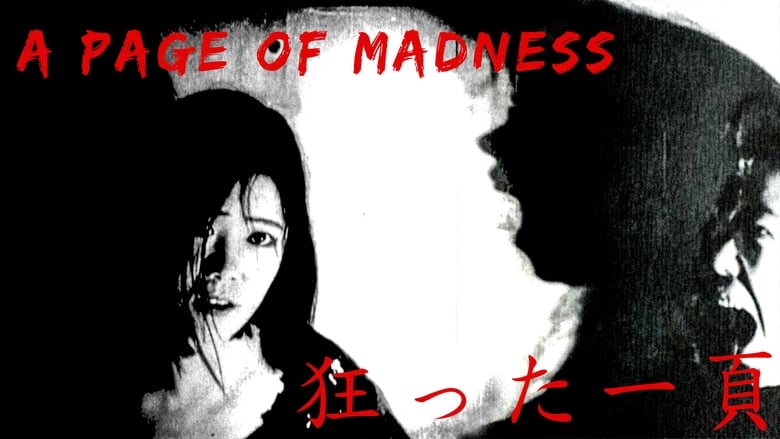
Kurutta Ippêji (1926)

Drama | 60 minutes
3,50 80 votes

Genre: Drama

Duration: 60 minuten

Alternative titles: A Page of Madness / 狂った一頁

Country: Japan

Directed by: Teinosuke Kinugasa

Stars: Masuo Inoue, Yoshie Nakagawa and Ayako Iijima

IMDb score: 7,3 (5.269)

Releasedate: 24 September 1926

US
UK
JustWatch

Kurutta Ippêji plot

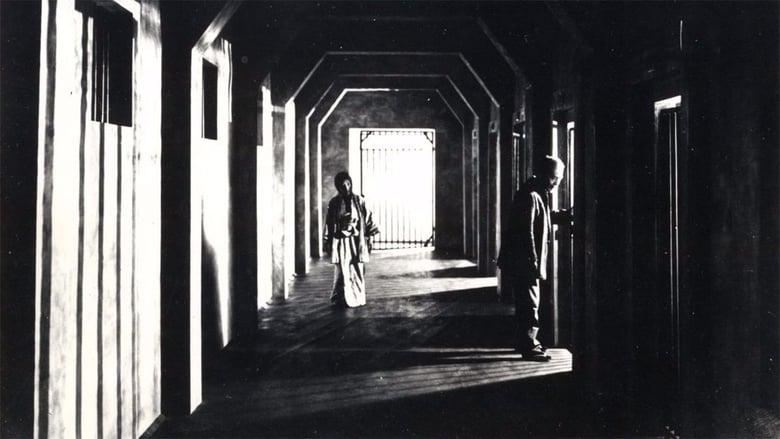
A sailor's wife is locked up in a mental institution after trying to drown their child. The man decides to become a cleaner in the same institution so that he can take care of his wife.
logo tmdbimagelogo tmdbimagelogo tmdbimagelogo tmdbimagelogo tmdbimagelogo tmdbimage
All Media

Trailer & other videos

Reviews & comments


avatar

Guest

  • messages
  • votes

Let op: In verband met copyright is het op MovieMeter.nl niet toegestaan om de inhoud van externe websites over te nemen, ook niet met bronvermelding. Je mag natuurlijk wel een link naar een externe pagina plaatsen, samen met je eigen beschrijving of eventueel de eerste alinea van de tekst. Je krijgt deze waarschuwing omdat het er op lijkt dat je een lange tekst hebt geplakt in je bericht.

* denotes required fields.

Pay attention! You cannot change your username afterwards.

* denotes required fields.
avatar van eRCee

eRCee

  • 13441 messages
  • 1978 votes

Well-made avant-garde film. Progressive both in the way of storytelling (with flashbacks and images 'from the madness') and in film technique. Unfortunately, A Page of Madness hasn't really stood the test of time for me. Too much erosion, so to speak. It's all very busy, not only the images but also the music added later. As a result, there is insufficient viewing pleasure and that is essential, even for an innovative film like this. 2.5*

dutch flagTranslated from Dutch · View original

avatar van mrklm

mrklm

  • 11374 messages
  • 9897 votes

In the early 1970s, director Teinosuke Kinugasa found this film in a storage room and decided to release it with a beautiful soundtrack, but without intertitles - just like Der Letzte Mann (1924).

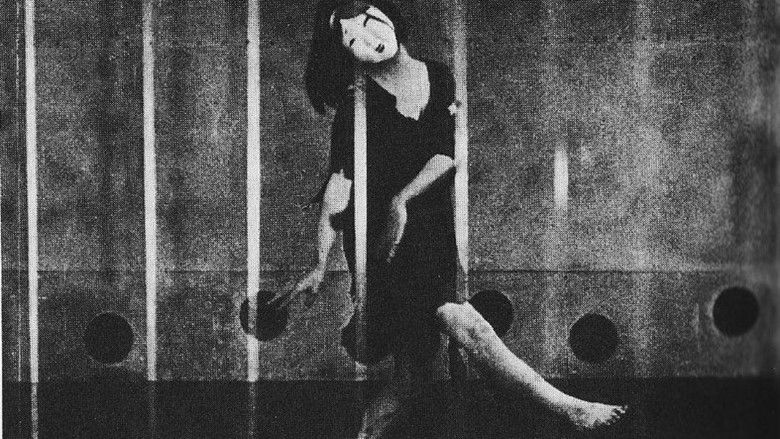
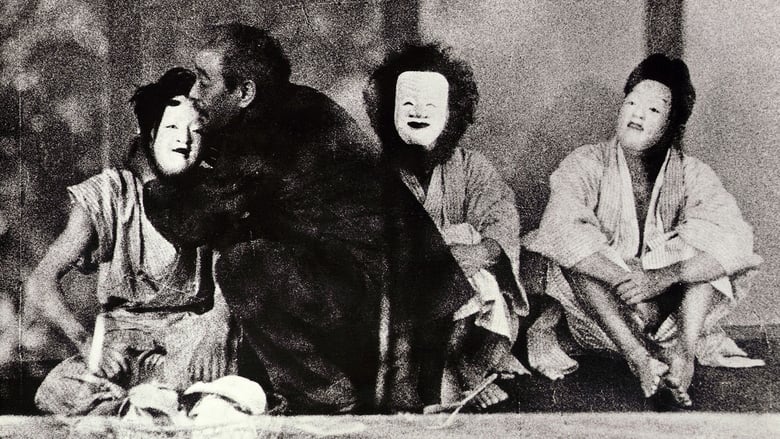
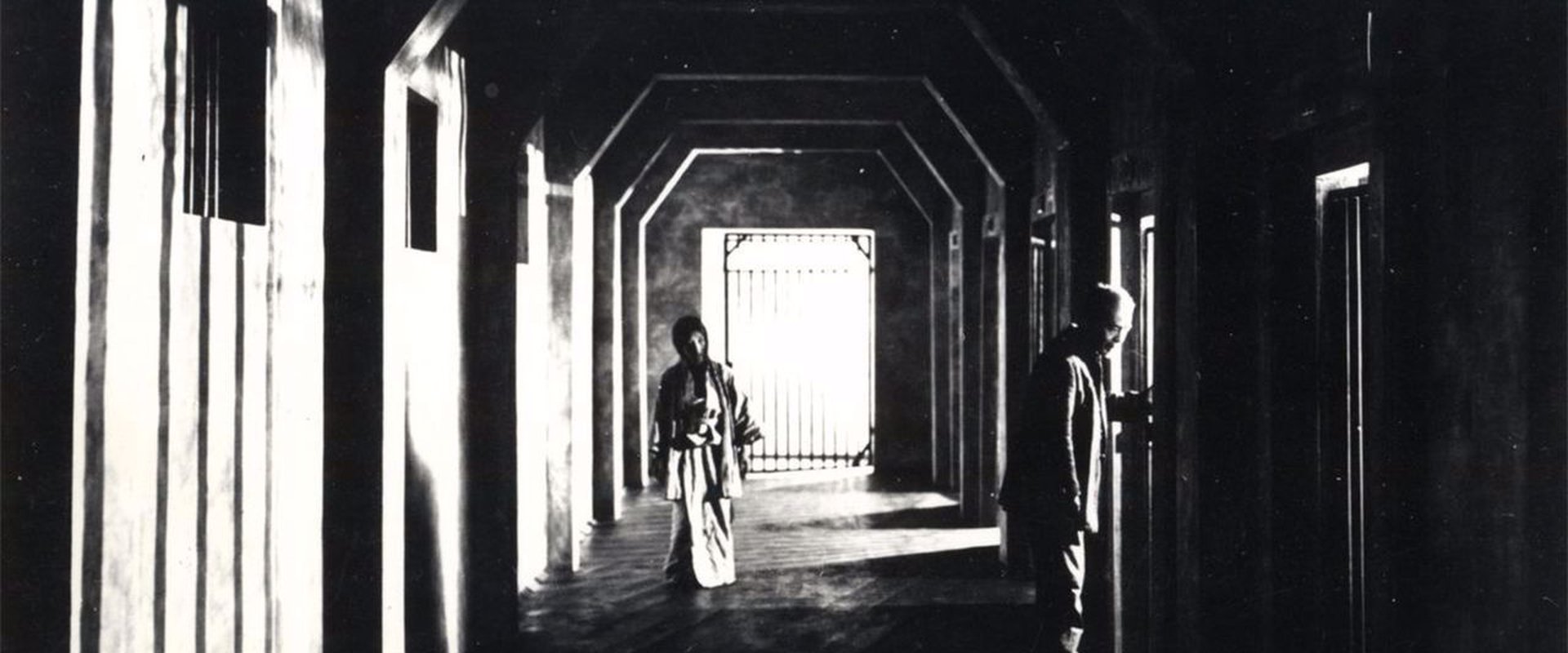
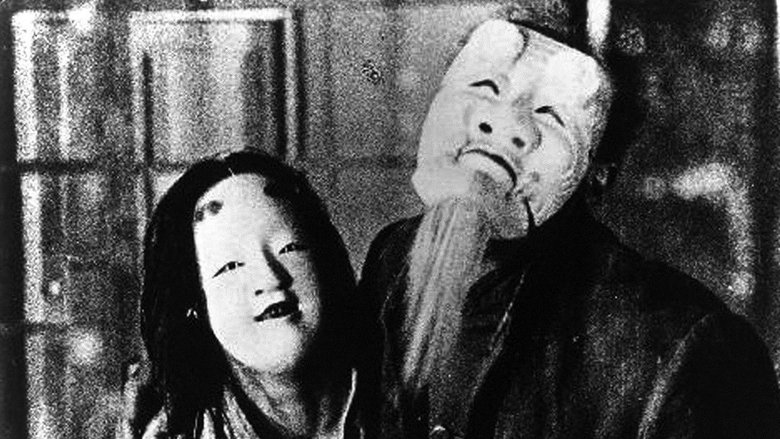
With its lightning-fast editing and an arsenal of tricks to heighten the visual impact, this psychological drama about an older man who wants to free his wife from the insane asylum where he works is immediately reminiscent of the masterful Russia trilogy by Sergei M. Eisenstein. It is therefore not surprising that Kinugasa and the Russian grandmaster came together after this film to further study the possibilities of the medium. Kinugasa often uses stunning camera effects to immerse the viewer in the madness of the protagonists, but also knows how to make a purely visual connection between their behavior, including the obsession with certain objects, and their personal past in the flashbacks which are of course filmed soberly. Technically speaking, this is an absolute masterpiece, but the story - even for 60 minutes - is a bit on the thin side and suggests that Kinugasa was more concerned with an experiment than with telling a story. As an experiment it was certainly successful.

dutch flagTranslated from Dutch · View original

avatar van Collins

Collins

  • 7282 messages
  • 4306 votes

An insane avant-garde film by Teinosuke Kinugasa, who literally used every cinematic tool at his disposal in 1926. Dizzying camera turns, distorted images, crazy perspectives and fast cuts. Sucked into the hustle and bustle, I actually almost completely missed the story. Normally, the viewer receives very helpful assistance with text signs while watching a silent film. Kinugasa doesn't do that. Afterwards I read what the film was about and I was able to put things into perspective better.

The lack of text is understandable if you know that the film performance in those days was supported by music and by a Benshi. A Benshi is a narrator who not only explains the outline of the story to the audience but also provides the voices of the characters. In the film we see many flashbacks and dream sequences that are difficult to recognize as such without the help of a benshi. Let alone that the meaning of those sequences is always clear. A fun fact is that the benshis were so popular that the introduction of sound films in Japan took place much slower than in other countries.

Kurutta Ippêji is a beautiful film with thrilling images. If I had not known in advance that I was dealing with a silent from the year 1926, I would not have been surprised if I had read afterwards that this was an experimental underground film from the 1960s. By the way, I read that Kinugasa found his film, which was thought lost, in his garden shed in 1971. It appears that for the re-showing of the film he removed about 500 meters of film and slightly adapted the film to the film experience in more modern times. That possible fact probably explains why the terms underground and 60s came to mind. Anyway. Kurutta Ippêji is an interesting film and gives rise to a curious viewing experience.

dutch flagTranslated from Dutch · View original