Mahjong scenes in film often carry narrative weight that dialogue alone cannot convey. Directors use the game to express relationships, values, and internal conflict through action rather than explanation. The audience understands character dynamics immediately, long before a story makes them explicit.
The Table as a Social Microcosm
A Mahjong table reflects social structure in a compact, visual form. Seating order, pace of play, and decision-making expose hierarchy and familiarity. In family dramas, experienced players often control the rhythm, while younger participants test limits through risky moves. These choices signal respect, tension, or quiet resistance without verbal confrontation.
Shared play also implies obligation. Characters sit to compete and participate in a collective ritual. Leaving the table early or breaking etiquette signals emotional distance or personal crisis. The game becomes a measure of belonging rather than a pastime.
Strategy as Character Insight
Mahjong rewards observation, restraint, and memory. Films use these traits to define personality. A cautious player suggests discipline and foresight. An impulsive move implies insecurity or desperation. When a character bluffs, the act often mirrors behaviour elsewhere in the plot.
In crime films, this parallel grows sharper. The rhythm of tile play reflects calculated risk-taking. Every discard resembles a controlled loss, accepted to gain future advantage. Viewers sense this connection intuitively, even without understanding the rules.
Cultural Continuity on Screen
Mahjong also signals continuity across generations. Its presence anchors a story in lived tradition rather than abstract heritage. Scenes set around the game emphasise routine, repetition, and memory. These elements ground broader themes such as migration, change, or social pressure.
For audiences familiar with the game, these moments resonate on a personal level. The sounds and gestures recall domestic spaces, family gatherings, and unspoken rules. For others, cinema translates Mahjong into a universal language of patience and social awareness.
From Physical Tables to Digital Spaces
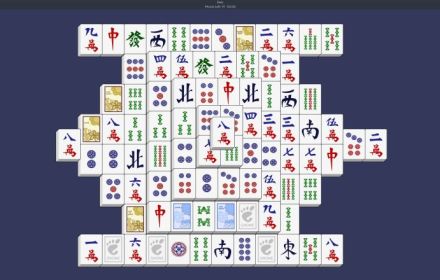
Contemporary films increasingly acknowledge shifts in how people engage with traditional games. Digital platforms such as EazeGames.com reflect this transition, showing how familiar structures adapt to modern habits without losing meaning.
This evolution mirrors everyday life. Mahjong no longer belongs only to physical rooms or fixed groups. Online formats expand access while preserving strategic depth. Some platforms even allow players to win money with playing mahjong, introducing new motivations layered onto an established practice.
Mahjong scenes persist in cinema because they compress complex ideas into recognisable actions. They show how people think, relate, and negotiate space within a group. By watching how characters play, audiences learn who they are. The game becomes a quiet narrative engine, advancing the story through behaviour rather than explanation.






Comments (0)