• 177.873 movies
  • 12.196 shows
  • 33.962 seasons
  • 646.802 actors
  • 9.369.475 votes
Avatar
Profile
 
banner banner

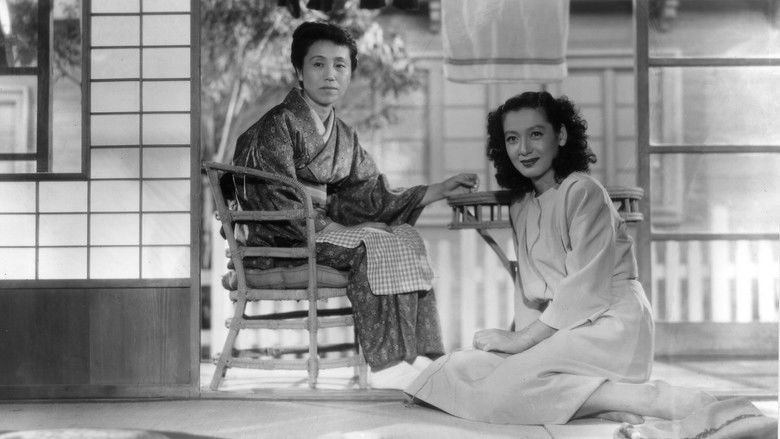
Banshun (1949)

Drama | 108 minutes
3,79 216 votes

Genre: Drama

Duration: 108 minuten

Alternative titles: Late Spring / 晩春

Country: Japan

Directed by: Yasujirô Ozu

Stars: Setsuko Hara, Chishû Ryû and Yumeji Tsukioka

IMDb score: 8,2 (21.223)

Releasedate: 13 September 1949

Banshun plot

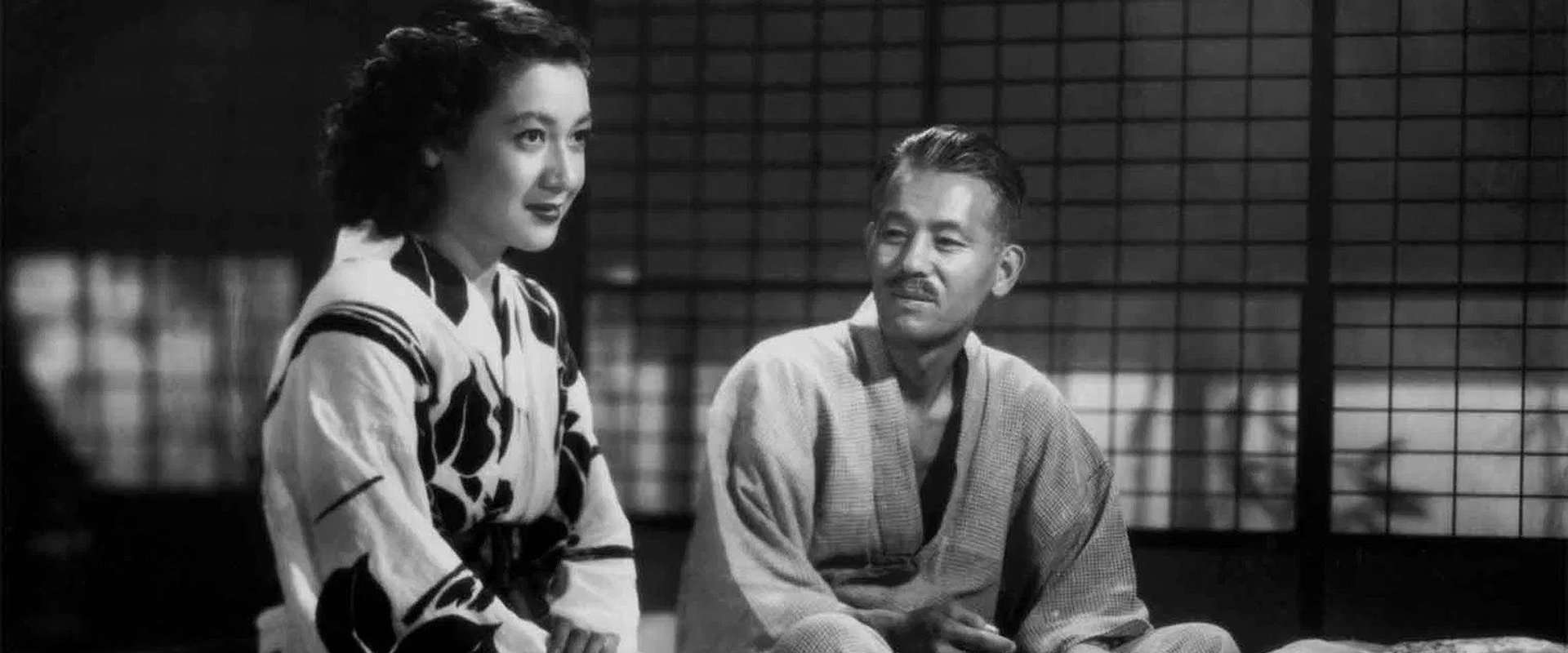
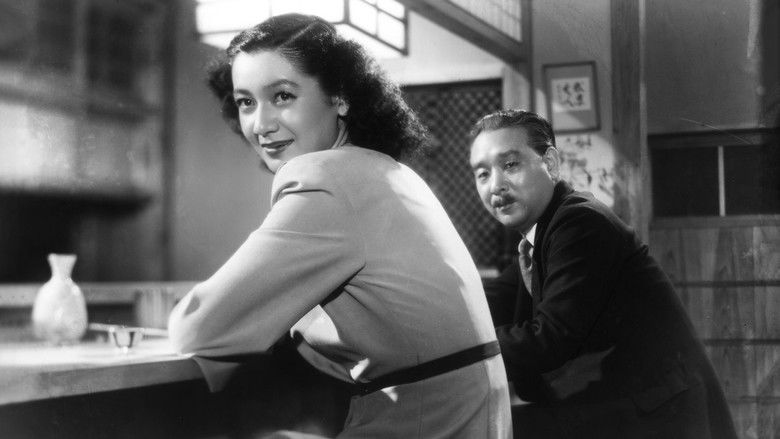
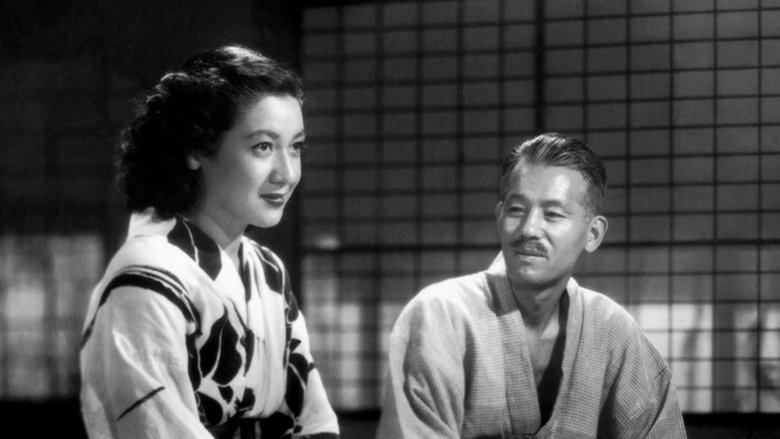
Noriko is a woman who has already passed the ideal age for marriage. All the people around her confront her about this, and try to get her to get married. Noriko doesn't like it and is especially afraid that her father, with whom she lives, would become lonely and unhappy if she were to get married.
logo tmdbimagelogo tmdbimagelogo tmdbimagelogo tmdbimagelogo tmdbimagelogo tmdbimage
Full Cast & Crew

Actors and actresses

All Media

Trailer & other videos

Reviews & comments


avatar

Guest

  • messages
  • votes

Let op: In verband met copyright is het op MovieMeter.nl niet toegestaan om de inhoud van externe websites over te nemen, ook niet met bronvermelding. Je mag natuurlijk wel een link naar een externe pagina plaatsen, samen met je eigen beschrijving of eventueel de eerste alinea van de tekst. Je krijgt deze waarschuwing omdat het er op lijkt dat je een lange tekst hebt geplakt in je bericht.

* denotes required fields.

Pay attention! You cannot change your username afterwards.

* denotes required fields.
avatar van TheBunk

TheBunk

  • 746 messages
  • 3093 votes

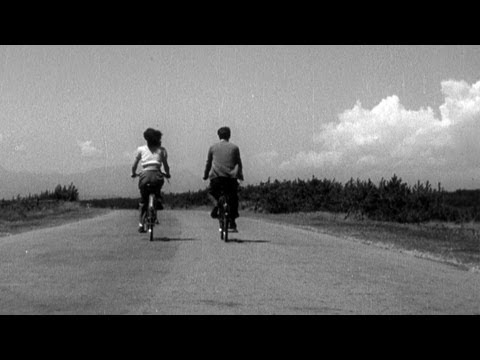
Only in his films after the war, from Banshun onwards, did Ozu perfect his way of filming. From then on, the uniformity of his visual language ensures a completely homogeneous whole. It may not be surprising, but it works. A misconception is that there is no action in Ozu's films. This is incorrect and the opposite is true; there is movement in almost every shot, although it almost always comes from the characters. The camera positions, framing and lack of dynamics are all essential for Ozu to convey his vision. Together with the disciplined way of directing actors and the meticulous production preparation, this method ensures a cohesive post-war filmography. The influence (see box above) of Ozu on contemporary film authors in Japan and abroad is still enormous. The greatest appeal in Ozu's films, especially the Noriko trilogy, lies in the undeniable melancholy and beauty of the mundane. It is poetry captured in imagery.

Read more at Cinema Interruptus

dutch flagTranslated from Dutch · View original

avatar van mjk87

mjk87 (moderator films)

  • 14512 messages
  • 4509 votes

Special movie. Very nice image of Japan just after the war, which under Western influences is slowly changing into a less traditional society. And the question is: what does that do to people. Very interesting and well filmed. A bit of the themes that Antonioni also has, although he shows this in architecture and Ozu this in clothing (I have not seen Noriko in Kimono) and logos. Great acting too. Hara's laugh is sometimes just over in the beginning, but then she comes back all the harder. Ryû has the most beautiful role, beautifully understated. However, the film is sometimes quite episodic. It is therefore a film that moves, but not one that pulls you in and really gets under your skin. 4.0*.

dutch flagTranslated from Dutch · View original

avatar van Sir Djuke

Sir Djuke

  • 369 messages
  • 1028 votes

Now no longer as well known as Kurosawa, Imamura and Oshima, the influence of Yasujiro Ozu on the universal film language cannot be underestimated.

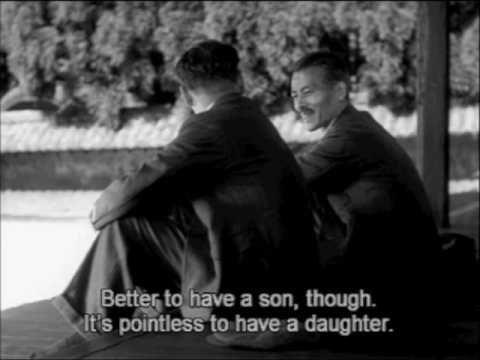
His style is characterized by the zen-like tranquility of his shots, which are often taken from a low camera angle. As a viewer, you feel like a secret spectator of often withheld family emotions. Camera movements are scarce and you get plenty of time to absorb the beauty of the scenes. Ozu's style has influenced Claire Denis and Jim Jarmusch, among others.

Two characteristic films deal with incomplete families. 1936's 'Hotori Musuko' about a single mother who sacrifices all she has to give her only son a good future (in vain) and 1949's 'Banshun' about a single father who tries to convince his daughter to get married ( that eventually works). It is remarkable that the Second World War, which is in between the two films, has no resonance. Both are stylish Ozu films, of which 'Hotori Musuko' can be found in full and with English subtitles on YouTube.

dutch flagTranslated from Dutch · View original