


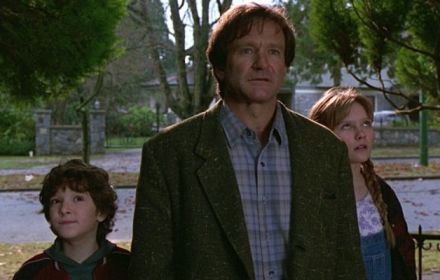
Most fantasy films separate magic from ordinary life. Jumanji chose another approach. It placed extraordinary events inside a normal home and allowed the two worlds to collide. That decision made the story feel immediate and tangible.
From the original film to the later adaptations, the concept remained clear: fantasy works best when it disrupts everyday reality rather than replacing it. The characters stay grounded, even as impossible situations unfold around them. Viewers recognise the setting, which makes the danger and humour more convincing.


An Excellent Basis for Storytelling
One reason Jumanji continues to stand out is the strength of its core idea. A simple game changes the rules of reality and forces ordinary people to deal with the fallout.
That setup gives storytellers a clear engine: every move inside the game has consequences outside it. Characters are pushed into situations they never expected, and their reactions drive the plot forward.
The concept works because it stays grounded. Viewers understand the setting, which makes the disruption more effective. At the same time, the rules of the game create structure. There is always a next move, a new threat, or a challenge to overcome.
This becomes even clearer in Jumanji: The Video Game, released in 2019 for platforms including PS4. Players choose characters inspired by the films and move through environments filled with enemies, traps, and shifting objectives. Each character has specific abilities, and teamwork is necessary to survive. Limited lives add pressure, and progress depends on coordination. The gameplay mirrors the film’s central idea: adapt quickly, manage risk, and work together to move forward.
The influence extends further. In the online casino space, the Jumanji slot game adapts visual themes and mechanics from the films into a digital format. The design uses symbols drawn from the story and incorporates unpredictable features that echo the board game’s sudden twists. The structure remains simple, though the experience carries the same sense of controlled uncertainty.
How the Sequels Updated the Formula
When the series returned in 2017, the structure shifted to match a new generation. The board game became a video game, and instead of chaos entering a house, the characters entered the game itself.
Teenagers were pulled into digital avatars with exaggerated strengths and obvious weaknesses. That body-swap element created humour, though it also reinforced the same survival framework that defined the original film.
The tone changed as well. The 1995 version carried a darker edge, with lasting consequences and a sense of real danger. The newer films leaned more into character growth and teamwork, using comedy to balance the risks. The challenges remained serious, yet the emphasis moved toward self-discovery and collaboration.
Advances in visual effects also allowed for larger-scale action. Jungle landscapes expanded, creatures became more dynamic, and sequences such as aerial escapes or collapsing environments felt more immersive. Even with bigger visuals, the core idea stayed intact: ordinary people navigating extraordinary rules.
Techniques That Make the Blend Work
Blending fantasy with reality requires more than visual effects. Close shots of actors reacting to impossible events ground the experience.
When viewers believe the emotional response, they accept the extraordinary setting. Sound design also plays a role; recurring motifs or subtle cues signal when the fictional world begins to intrude.
Editing choices also shape the impact. Smooth transitions between ordinary settings and fantastical sequences prevent the shift from feeling abrupt. Earlier films relied on practical models and animatronics. Modern productions combine live-action footage with digital environments, allowing characters to interact more fluidly with imagined creatures or landscapes.
The consistent factor remains character focus. Without credible relationships, even the most advanced effects lose impact. The blend works when the human element leads, and the fantasy follows.
A Reference Point for Reality and Imagination
Over time, Jumanji has become a reference point for stories that cross the line between reality and imagination. Its longevity comes from accessibility. Younger audiences see adventure and humour. Older viewers recognise themes of responsibility, fear, and growth.
The concept continues to inspire adaptations, spin-offs, and creative reinterpretations. It demonstrates that fantasy need not exist in isolation to feel convincing. When the extraordinary disrupts the familiar, it creates tension that resonates.
The lasting appeal lies in that contrast. That idea keeps the story relevant, even decades after its first release.



Comments (0)